When my mother died, her organs were donated and a number of people lived on as a result. It has taken me 19 years to truly appreciate just how meaningful that act was. At a remembrance and thanksgiving ceremony organised by Organ Donation Northern Ireland at the magnificent St Patrick’s Cathedral in Armagh last Sunday, I experienced something that I had never felt before in my life.
As a 14-year-old whose world had suddenly collapsed in on itself, I could find no solace in the fact that the lives of others – people I didn’t even know – had been prolonged by my mother’s organs. I can remember, for example, apathetically shrugging off a well intentioned letter from recipients a year or two after her death.
Indeed, I puzzled over the very concept of finding a positive, which seemed absurd to my teenage mind, and, at times, I even felt that to do so was an insult – how could you say something good came from the death of someone I loved? In those early years after my mother’s death, I was so consumed by grief that I couldn’t really comprehend the profundity of her organ donation and I avoided engaging with it in the years that followed.
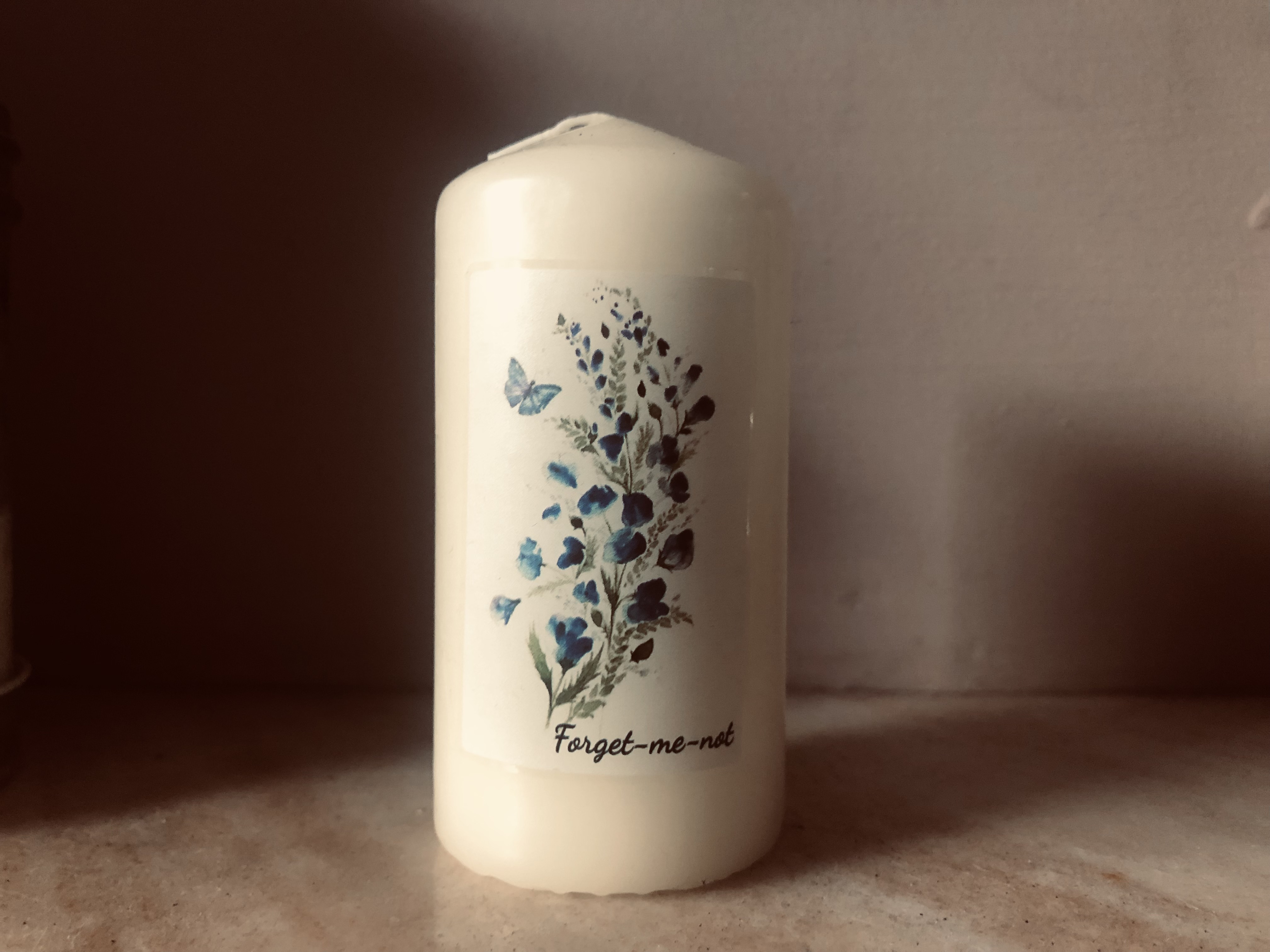
As I made my way through sheets of sideways rain to the imposing door of St Patrick’s Cathedral on Sunday, I was keenly aware that there would be a tribute, whereby organ recipients carried candles to the front of the room to be given to representatives of donor families. When I first read about the ceremony, I was struck by the beautiful symbolism of an exchange of light and my aunt had told me how moving it was, but I did not quite expect how deeply it would affect me.
Exchanging light at Sandy Hill
Once inside, we heard reflections from a mother whose daughter died tragically young and the pride she felt at her child’s decision to donate her organs. We listened as one organ recipient explained how he was now able to walk along the beach with his granddaughter, who, in turn, delighted at how her grandfather had somehow gotten younger as he got older. Snapshots of loss and of life.
Then, organ recipients were invited to bring the candles forward. My throat tightened as perfect strangers seated among us rose, almost ethereal. I watched in awe as these people who should have been ghosts slowly walked to the front of the room carrying small white candles in a seemingly celestial procession. They moved silently in an intentional act of thanksgiving and love.
Representatives of donor families were then encouraged to come forth to receive a candle and even more people stood up. I felt the lump in my throat grow and I fought tears as people of all ages streamed out of the pews, many already weeping. Some embraced and whimpers rippled through the air as family members made their way back to their seats.
This communal display of loss, life, grief and appreciation was quiet, yet earth-shattering, arresting, yet exhilarating. It was unlike anything I had ever experienced before. Even now as I think of that candle tribute I feel the swell of raw emotion within. Our shared humanity and vulnerability captured in one simple exchange.
Nineteen years have passed since my mother died and her organs were donated. I had always understood that it was an act of goodness to donate organs, but it took attending the remembrance ceremony to fully grasp how compassionate and important that final act was.
As I sat in the hall of St Patrick’s Cathedral, high on Sandy Hill, I felt sorrow and solace swirl round me in an invigorating, life-affirming aura. And then I understood what Joe Brolly meant when he said that it is “the greatest act of love, the closest thing to a miracle we have”.

