In The Year of Magical Thinking, Joan Didion vividly details her wrangling with the sudden death of her husband John Gregory Dunne. As she navigates her way through the mercurial mists of grief, she finds herself lost in moments of agonising denial and illogic. She worries about how, with John’s obituary, she had ‘allowed’ other people to believe that he was dead and, when going through his stuff, she decides to keep his shoes because of the thought that her husband “would need shoes if he was to return”. Grief can do strange things to a person and, as Didion observes, we have no real control over when or how it greets us: “Grief comes in waves, paroxysms, sudden apprehensions that weaken the knees and blind the eyes and obliterate the dailiness of life,” she says.
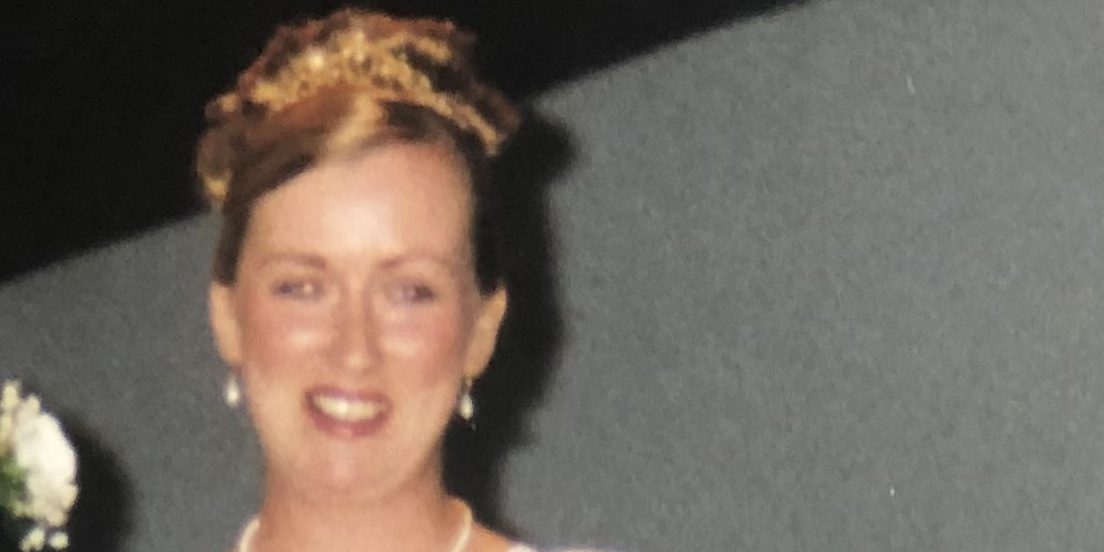
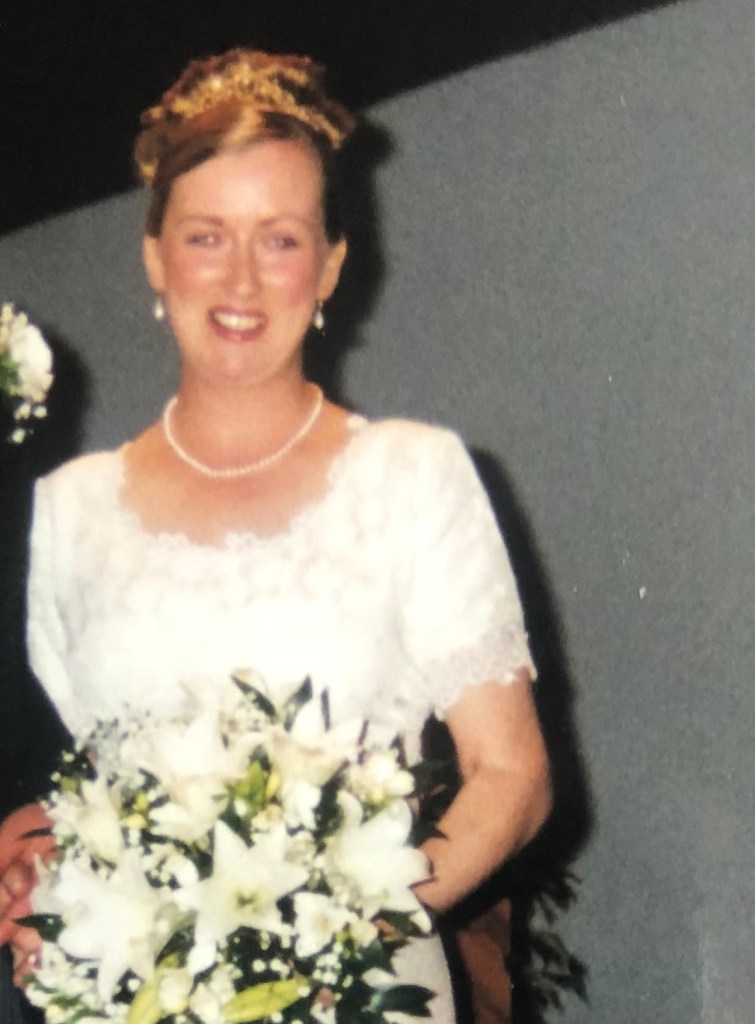
Twenty years have now passed since my mother died, aged just 37. When the anniversaries of loved ones come, we can at least see those mists of grief gathering in the distance, albeit we don’t necessarily know how we will deal with them when they pass through us. In those early years after my mother died, I wasn’t really primed for the waves or prepared the paroxysms. Who is, really? For a long time, I had an aversion to visiting the grave, for example. I am not sure why, exactly, but I suppose standing in front of a headstone with her name engraved in it reinforced her absence and made her death real when I wished it wasn’t.
Many years later, I began to properly grapple with the grief and the loss, actively making an effort to write down thoughts, trying give form to emotions and memories that had been suppressed. I collected photographs, spending hours in the same seat just gazing at them. I remembered the darkest days after she died when my brother Paddy and I felt abandoned without her. I began to visit the grave…
After I started to do all of these things, my mother suddenly began to appear in my dreams, inhabiting an alternate universe within my mind where she survived the catastrophic brain haemorrhage that killed her. I would see her sitting on a seat in the corner of an indistinct room, terribly shaken by the whole ordeal, but unspeakably relieved to be alive. In that universe, however, despite my elation, I’m never able to say anything to her. Then I’d wake and feel the devastation all over again.
When the years add up following the death of someone close to us, we tend to say, “it’s hard to believe”. It’s hard to believe it’s now been 20 years. It was hard to believe it had been a year. This incredulity stays with us no matter how long it’s been, because we carry the dead with us and in our grief, like Joan Didion keeping the shoes, we find it difficult to accept that it really happened in the first place. Time doesn’t really make sense when it comes to the death of a loved one, because part of us remains marooned in the moment we lost them. How can it be 20 years when it just happened? That is the paradox of loss and grief.
Twenty years on, I am thankful for the good memories I have of my mother and even more grateful for the things other people continue to share with me all these years later. Old photos, forgotten videos and invaluable personal recollections all add colour to the essence of a person and help to animate their spirit in the minds of those left behind.

